Why Community-Driven Marketing Is Winning Right Now
Digital ads are working harder and delivering less. Feeds are crowded, algorithms keep shifting, privacy changes limit tracking, and people scroll past most promotions without a second thought. Brands are spending more just to hold the same ground, while performance marketers are under pressure to show clear ROI from every dollar.
Community-driven marketing is the response to that reality. Instead of chasing impressions, it focuses on relationships, conversation, and shared experiences inside real communities. When brands plug into groups that already exist and already care, like runners and fitness enthusiasts, they earn something algorithms cannot manufacture: trust. That trust creates richer data, better performance, and compounding results over time, especially when we connect it to a platform designed for measurement and scale.
From Impressions to Relationships: What Has Changed
The media environment is fragmented. Attention is split between social platforms, streaming, podcasts, niche forums, and offline activities. Paid social and search are getting more expensive, yet engagement is flattening. Many marketing teams are watching acquisition costs creep up while new privacy rules make their beloved dashboards feel less reliable.
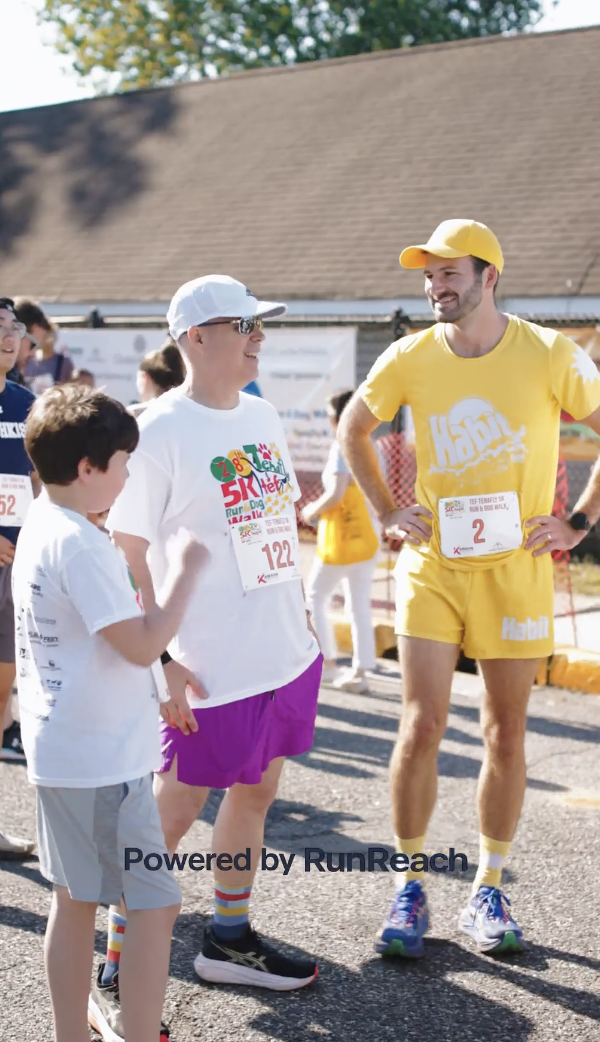
At the same time, consumer expectations are shifting. People want brands that show up in the places that actually matter to their daily lives: at the race they trained months for, in the studio where they sweat with friends, in the park where they log their long runs. Being visible only in a feed is starting to feel shallow compared to brands that are physically present where goals are being chased and communities are gathering.
Community-driven marketing fits this moment because it embeds brands inside passion communities instead of interrupting them from the outside. When a brand is part of the pre-race expo, the finish-line celebration, or the weekly group run, it earns relevance that no targeting setting can replicate. Those live interactions layer on top of digital, giving performance marketers a way to connect first, then retarget with context and meaning.
What Community-Driven Marketing Actually Looks Like
Community-driven marketing is not just sponsoring something and hoping people notice a logo. It has a few core components that make it work:
• A shared identity, like distance runners, cyclists, or people committed to wellness
• Regular touchpoints, such as events, meetups, training groups, or online forums
• A value exchange that goes beyond discounts, including education, support, and memorable experiences
For example, brands can show up in ways like these:
• Sponsoring local races and offering on-site experiences, samples, or recovery zones
• Hosting training runs or fitness challenges that support people working toward a specific goal
• Activating at gyms and studios to meet active, high-income consumers where they already invest time and money
The challenge has always been turning those moments into a repeatable program instead of a one-off sponsorship that is hard to measure. That is where a platform like RunReach comes in. We help brands plug into existing running and fitness communities, coordinate consistent on-site activations, and connect those real-world touches to performance data. Community-driven marketing becomes less about one big event and more about a structured, test-and-learn channel.
Why Performance Marketers Are Embracing Communities
Performance teams used to see IRL activations as brand overhead, nice for awareness but hard to justify when budgets are tight. That is changing fast because offline engagement can now be tracked in practical, performance-focused ways.
Modern tools let us connect on-site moments to measurable outcomes using:
• Unique URLs and vanity domains
• QR codes that route to dedicated landing pages
• Promo codes tied to specific events or communities
• Post-event retargeting of attendees who opt in
Instead of counting impressions, we can look at the same metrics performance marketers already care about: qualified leads, email and SMS opt-ins, trial signups, app downloads, and both retail and e-commerce lift. The magic is in stitching it all together.
RunReach focuses on exactly that. Our IRL marketing and performance platform helps brands plan which races and fitness communities to activate, provide turnkey execution on-site, and centralize reporting. Instead of hunting for scattered results after every event, teams can see a unified view of how community-driven marketing is contributing to their overall funnel.
Winning with Active, High-Income Consumers at Scale
Active lifestyle communities are uniquely valuable. People who commit to races, group training, or regular studio classes tend to invest heavily in their health, gear, and experiences. They often have higher discretionary income and strong purchase intent in categories like nutrition, apparel, technology, financial services, and travel.
The opportunity is not just about finding a few events; it is about tapping into established running and fitness networks that already draw the right audience in consistent volumes. Instead of trying to build a brand-owned community from scratch, brands can join and support communities that exist and are thriving.
RunReach is built to make that scalable. We connect brands with curated events and fitness communities and provide consistent on-site execution and unified reporting. National teams can coordinate local activations across many markets without reinventing the wheel each time. That makes it realistic for performance marketers to treat community-driven marketing as a serious, national channel, not a scattered series of experiments.
How to Get Started with Community-Driven Marketing Today
Getting started does not require a massive reinvention of your marketing plan. It does call for clarity on who you want to reach and what value you will bring to their community.
A simple roadmap looks like this:
• Define your target: for example, marathon runners, new runners, boutique fitness regulars, or outdoor cross-trainers
• Clarify your goals: lead capture, subscription signups, app downloads, retail lift, or trial of a new product line
• Decide your value: education, product sampling, on-site experiences, or performance support like fueling and recovery
From there, we recommend piloting a series of coordinated IRL activations instead of a single big bet. Use these pilots to test messaging, offers, and creative in the real world. Watch what actually drives conversations, scans, and signups.
The final piece is follow-up. If you treat activations as stand-alone moments, you miss most of the value. The brands that win are the ones that:
• Capture first-party data ethically and clearly on-site
• Nurture new contacts with tailored email, SMS, or in-app experiences
• Feed what they learn about audience behavior back into the rest of their marketing
That loop is where community-driven marketing stops being an experiment and becomes a performance channel you can optimize over time.
Turn Local Moments Into Scalable Growth
Traditional sponsorships often start and end with a logo. Community-driven marketing takes those same local moments and turns them into structured, repeatable programs that build both trust and measurable performance. When your best customers see you supporting the communities that shape their lifestyle, it changes how they respond to your products, your ads, and your offers.
As digital channels face rising costs and tightening rules, reallocating even a portion of underperforming budgets into measurable IRL community activations is a smart way to diversify. By showing up where people run, train, and compete, then tying those interactions to clear metrics, we can build a growth engine that is grounded in real relationships, not just impressions.
Turn Your Community Into a Growth Engine Today
If you are ready to turn your audience into active advocates, our team at RunReach is here to help you build effective community-driven marketing programs tailored to your goals. We work alongside you to identify your strongest communities, design practical activation strategies, and measure what truly moves the needle. To explore what this could look like for your organization, contact us and start mapping your next steps.